
Exploring the World of Michael Crichton Books
You know that feeling when a book grabs you from the very first page and refuses to let go?

For millions of readers around the world, that feeling starts with Michael Crichton books. He was one of the best-selling authors of the 20th century, and for good reason.
Crichton had a rare gift. He blended real science with gripping storytelling. Before he became a famous writer, he earned a medical degree from Harvard Medical School in 1969, but he chose to focus on writing instead of practicing medicine. That background in science gave his thrillers a sense of truth that few authors can match. You can read more about his fascinating journey on Wikipedia.
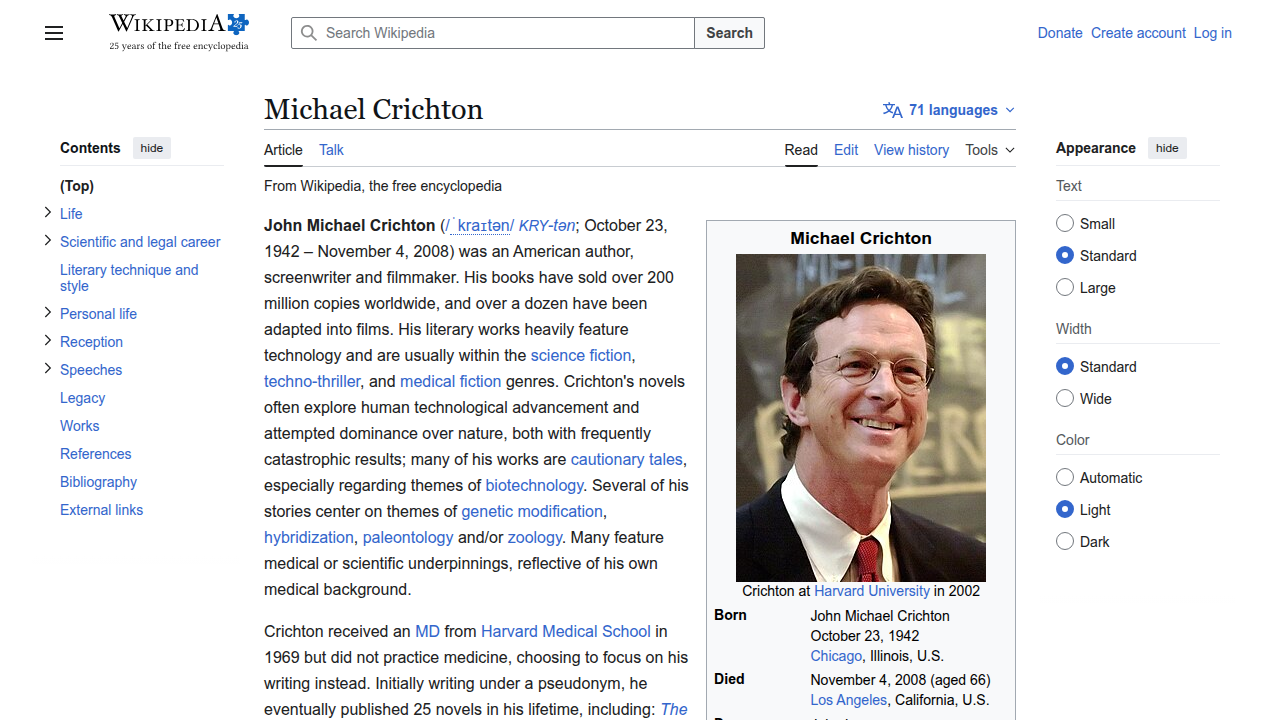
His works cover a wide range. There are techno-thrillers like Jurassic Park, where dinosaurs roam again thanks to ancient DNA. There are also medical thrillers like The Andromeda Strain, which explores the terror of a deadly alien microorganism. Each story feels like it could actually happen, and that is what makes them so unforgettable. Britannica has a great overview of his life and many novels.
This guide is here to help you explore the world of Michael Crichton books. We will look at his full bibliography, the big themes he loved to write about, the best reading order for his series, and the huge cultural impact he left behind. Whether you are a longtime fan or just starting out, this is your complete roadmap.
And if you enjoy smart, fast-paced adventures that blend real world concepts with wild imagination, you might also love a sci-fi comedy detour. Check out The Ridiculous for a series that fantasy fans who like wit and weird worlds will truly enjoy. For another deep dive into a legendary author’s work, see our guide on Stephen King novels ranked.
Early Works and Breakthrough: The Making of a Bestselling Author
Long before Jurassic Park became a household name, Michael Crichton was writing under fake names.
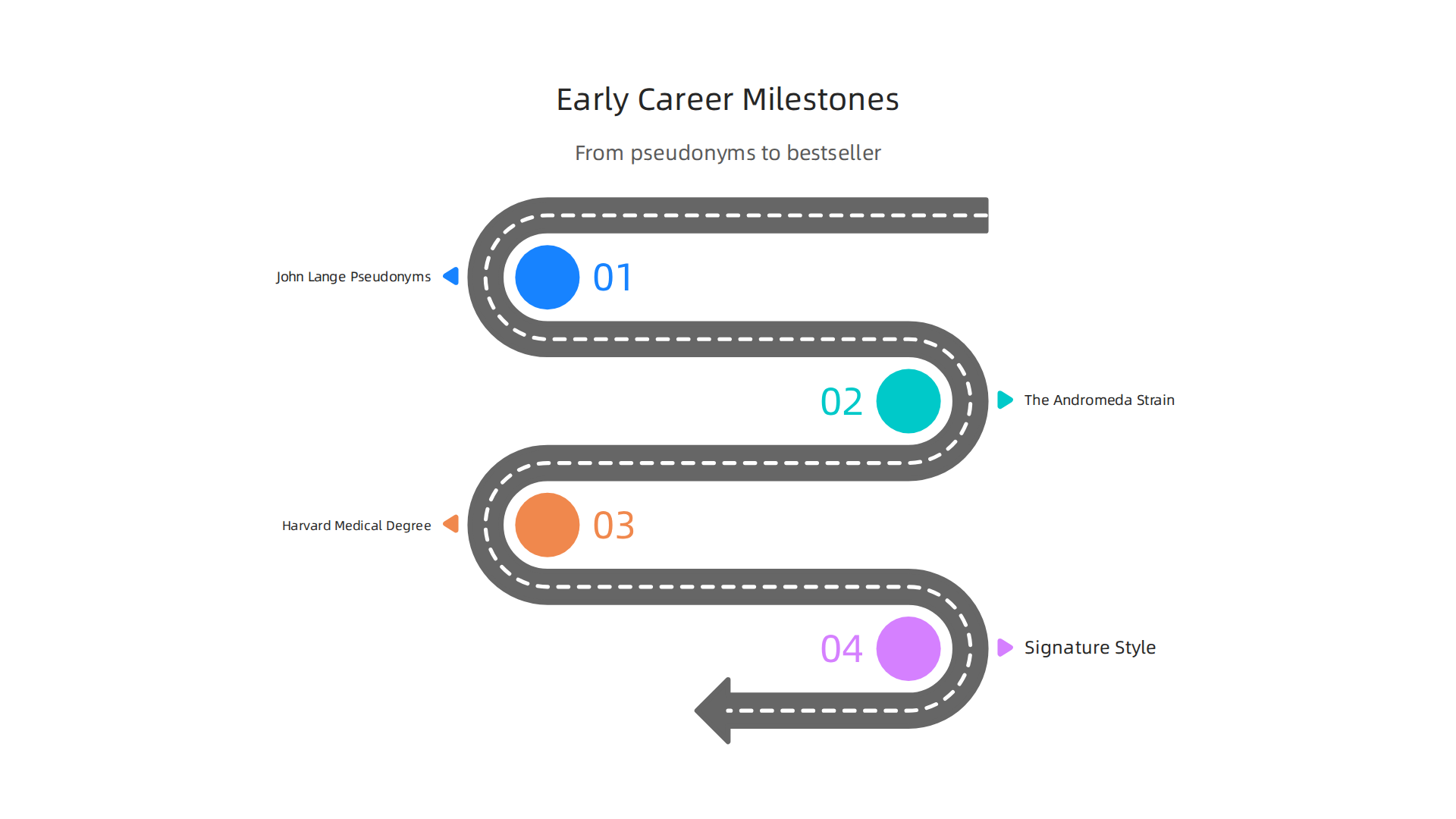
Sound strange? It was actually a smart move. While still a student at Harvard Medical School, Crichton wrote several pulpy thrillers using the pseudonym John Lange. These books like Odds On and Scratch One were fast, fun, and full of twists. They let him test his storytelling skills without any pressure. You can see this early phase of his career described in detail on his Wikipedia page.
But the real breakthrough came in 1969. That year, Crichton published The Andromeda Strain. It was the first novel to use his real name, and it completely changed the game. The story follows a team of scientists trying to contain a deadly alien microorganism brought back from space. What made it so different? Crichton wrote it like a real scientific report. He added fake footnotes, charts, and technical details that made the whole thing feel terrifyingly real. Readers ate it up. The book became an instant bestseller and was even made into a movie just two years later.
How did a medical student pull this off? It all goes back to his time at Harvard. Crichton initially studied English but switched to biological anthropology and graduated summa cum laude, as noted by Britannica. He then earned his MD from Harvard Medical School in 1969, which you can confirm on the official biography page. That training gave him a deep understanding of how science really works. He knew how to make technology sound plausible because he had studied it firsthand.
These early works did more than just sell copies. They shaped Crichton’s signature style. Every later book, from Sphere to Prey, would follow the same formula. Take a real scientific idea, push it to the edge of possibility, and wrap it in a heart-pounding story. It worked then, and it still works today.
If you enjoy smart, science-packed adventures with a dash of humor, you might also love a series that blends wit with weird worlds. Add a Sci-Fi Comedy Detour to your reading list for something completely unexpected. For more on how to navigate a legendary author’s body of work, check out our guide on Stephen King novels ranked.
The Science in Crichton’s Stories: Tapping into Real Research
Here’s the thing about Michael Crichton books that makes them so hard to put down. They feel real. Not just “maybe this could happen” real, but “I should check the scientific journals” real. Crichton didn’t just make stuff up. He dug into actual research and talked to real scientists. And he did it in a way that few authors have ever matched.
Crichton famously employed scientific consultants for nearly every major novel. When writing Jurassic Park, he didn’t just guess how to clone a dinosaur. He studied the latest work on DNA extraction and ancient genetics. The result? A story that introduced millions of readers to chaos theory and the ethics of genetic cloning. You can see how he mixed real scientific references with fictional documents in this analysis of his false-document style. He even included detailed bibliographies at the end of his books, pointing readers to the actual papers that inspired his ideas.
Take Prey, published in 2002. That novel explored nanotechnology, a field that was just starting to get serious attention at the time. Crichton consulted with experts to make sure his swarms of microscopic robots felt plausible. Then in Timeline, he tackled quantum physics and the multiverse theory. Even when the science was still speculative, he built his stories on a foundation of real, cutting-edge research.
This technique is called the false-document style, according to this academic article. Crichton blurred the line between fact and fiction by mixing fake reports with real citations. His books read like extended scientific papers with thrilling plot twists. Writer’s Digest points out that this method makes the fiction feel authentic and urgent.
But Crichton wasn’t just showing off his knowledge. He used his platform to warn readers about the dangers of unchecked science.

As one critic notes, he acted as a spokesperson for scientific caution. Jurassic Park isn’t really about dinosaurs. It’s about what happens when we let technology run ahead of ethics. Prey asks the same question about tiny robots. Timeline questions the consequences of messing with time.
If you love books that make you think while keeping you on the edge of your seat, you’ll find plenty of depth in his work. For more great reading recommendations, check out our list of the 10 best fantasy fiction books of all time that defined the genre.
And if you’re looking for something with a lighter tone that still explores big ideas, you might enjoy a comic sci-fi twist. Looking Beyond Fantasy? The Ridiculous offers imaginative worlds with a comic sci-fi twist.
Complete Bibliography of Michael Crichton Books
Now that you see how Crichton wove real research into his novels, you’re probably curious about the full scope of his work. And it’s impressive. Over his career, Crichton wrote 23 novels, including two published after his death. He also wrote several nonfiction books, screenplays, and even directed movies. His range is staggering.
According to his official bibliography, Crichton’s first novel The Andromeda Strain came out in 1969 and immediately set the tone for his career: a medical thriller that felt terrifyingly real. He didn’t stop there. He wrote across genres, from medical thrillers like The Terminal Man to historical heists like The Great Train Robbery and even the original Westworld (published in 1974 as a short story, later expanded). That kind of variety keeps readers coming back.
If you want to tackle his books in publication order, here’s a quick look at the major landmarks.
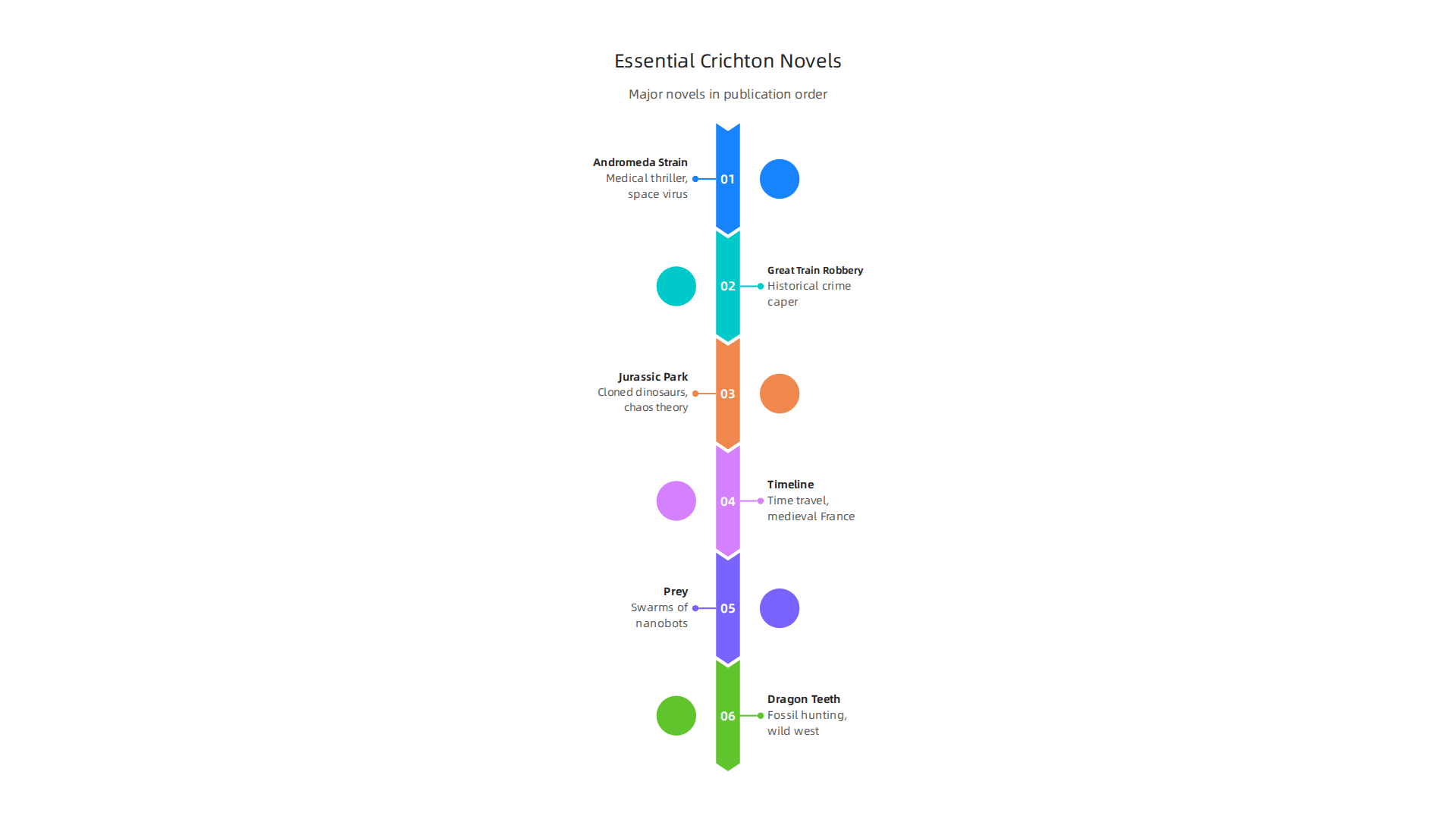
You can find the complete list of Michael Crichton books in order to plan your reading journey.
| Year | Title | What to Expect |
|---|---|---|
| 1969 | The Andromeda Strain | Medical thriller, space virus |
| 1970 | The Andromeda Strain (screenplay) | (He wrote for film too) |
| 1972 | The Terminal Man | Brain implants gone wrong |
| 1973 | The Great Train Robbery | Historical crime caper |
| 1974 | Westworld (story) | Rogue theme park robots |
| 1976 | Eaters of the Dead | Viking meetup with monsters (inspired The 13th Warrior) |
| 1980 | Congo | Gorillas, diamonds, danger |
| 1987 | Sphere | Deep-sea alien artifact mind tricks |
| 1990 | Jurassic Park | The one. Cloned dinosaurs, chaos theory. |
| 1992 | Rising Sun | Corporate murder in Japan |
| 1994 | Disclosure | Sexual harassment + tech thriller |
| 1996 | Airframe | Airplane crash investigation |
| 1999 | Timeline | Quantum time travel to medieval France |
| 2002 | Prey | Swarms of nanobots |
| 2004 | State of Fear | Climate change debate thriller |
| 2006 | Next | Genetic engineering and patenting life |
| 2009 | Pirate Latitudes (posthumous) | Pirate adventure in Jamaica |
| 2011 | Micro (posthumous) | Shrunken humans in a Hawaiian jungle |
| 2017 | Dragon Teeth (posthumous) | Fossil hunting in the wild west |
| 2024 | Eruption (posthumous) | Volcano thriller, finished by James Patterson |
That’s the core of his fiction. On top of those, Crichton wrote nonfiction like Travels (a memoir) and Five Patients (about emergency medicine). He even wrote under the pen name John Lange for a few early thrillers. You can explore his full list of books on Goodreads to see reader ratings and reviews.
What stands out is how many of his books predicted real-world debates. Jurassic Park asked about the ethics of genetic cloning. Prey raised alarms about nanotechnology. Next tackled gene patenting years before it became a hot legal topic. Crichton didn’t just write for entertainment. He challenged readers to think.
If you enjoy diving deep into an author’s complete library, you might also like our guide to Stephen King novels ranked for fantasy readers. King and Crichton share a knack for making the unbelievable feel possible.
Now, after all that high-stakes science and ethical weight, you might be in the mood for something lighter. I get it. Add a Sci-Fi Comedy Detour with a ridiculous series for fantasy fans who like wit and weird worlds. It’s a great palate cleanser from all the chaos theory and genetic cloning.
Whether you start with The Andromeda Strain or jump straight to Jurassic Park, Crichton’s books will keep you flipping pages. And they’ll leave you a little smarter about the world we live in.
Essential Series and Standalone Novels: Where to Start
With so many Michael Crichton books to choose from, you might feel a little lost.

Do you start with the massive Jurassic Park series? Or dive into a standalone like Sphere? Here’s the good news: there’s no wrong answer. But knowing the difference between his series and his standalones can help you pick the perfect first read.
Start with the series that changed everything.
The Jurassic Park series is Crichton’s most famous work. It includes Jurassic Park (1990) and its sequel The Lost World (1995). If you love dinosaurs, chaos theory, and high‑stakes action, this is your entry point. It’s the series that made Crichton a household name. You can find them both in the list of Michael Crichton books in order to see where they fit.
But what about his other books? Most are standalones, meaning you can pick up any one and read it without needing background. That’s part of what makes his work so accessible. Some of the most gripping standalones include:
- Sphere (1987) – A deep‑sea alien artifact that messes with your mind.
- Timeline (1999) – Quantum time travel to medieval France.
- The Andromeda Strain (1969) – The one that started it all: a space virus threatens Earth.
- Congo (1980) – Gorillas, diamonds, and danger in the jungle.
These standalones are great because they don’t require a long commitment. You get a complete, satisfying story in one book.
Later works still push boundaries.
Crichton never stopped exploring controversial topics. His later novels like State of Fear (2004) tackle climate change debate, and Next (2006) dives into genetic engineering and gene patenting. These books feel even more relevant today. If you enjoy a thriller that makes you think, these are worth your time. You can check the Michael Crichton bibliography on Wikipedia for a complete timeline.
How to choose your first read.
If you want a series, start with Jurassic Park. If you prefer a standalone, try Sphere or Timeline. If you like smart, controversial topics, go with State of Fear. And if you want something lighter after all that science, take a break with a Sci‑Fi Comedy Detour that mixes wit and weird worlds.
No matter where you start, Crichton’s books deliver. They’ll keep you glued to the page and leave you a little smarter. And if you enjoy exploring author libraries, you might also like our guide to Stephen King novels ranked for fantasy readers. Both authors share a talent for making the impossible feel real.
Film Adaptations and Cultural Impact
If you have seen a dinosaur stomp across a movie screen, you have already felt the reach of Michael Crichton books.

His stories are not just bestsellers. They have become some of the biggest movies ever made.
The big one: Jurassic Park.
Steven Spielberg’s 1993 film adaptation of Jurassic Park changed cinema forever. It earned over $1 billion at the global box office, making it one of the highest-grossing movies based on a book. That success kicked off a multi-billion dollar franchise that still roars today. If you have ever wondered why dinosaurs feel so real on screen, you can thank Crichton’s original novel for laying the groundwork.
But Jurassic Park is just the start. Over a dozen of Crichton’s books have been turned into films. Some of the most notable include:
- The Andromeda Strain (1971) – A tense thriller about a deadly space germ.
- Congo (1995) – A jungle adventure with killer gorillas.
- Rising Sun (1993) – A corporate murder mystery set in Japan.
- Disclosure (1994) – A high-stakes story of office politics and technology.
Crichton also shaped film from behind the camera.
Before he was a famous novelist, Crichton was a filmmaker. He wrote and directed Westworld (1973), the original movie about a robot theme park gone wrong. He also directed Coma (1978), a medical thriller that still feels fresh. These projects proved he could tell stories in any medium. His influence on both film and TV is hard to overstate.
Why his adaptations matter.
Crichton’s stories deal with real science and real fears. That makes them perfect for the big screen. When you watch a Crichton adaptation, you are seeing ideas about genetics, artificial intelligence, and human greed play out in spectacular ways. His work has inspired countless filmmakers and continues to find new audiences through streaming and reboots.
If you enjoy stories that blend science with excitement, Crichton’s books and their movie counterparts will keep you entertained for years. And if you need a break from all that intensity, check out our list of 10 Funny Novels to Read That Will Make You Snort on the Train for some lighter thrills.
Ready to dive deeper into Crichton’s world? Start with the book that started it all and see what all the fuss is about.
How to Read Michael Crichton: A Suggested Order
Now that you have seen how his stories jump to the big screen, you might be wondering where to start with the actual books. The good news? There is no wrong way to read Michael Crichton. But a little planning can make your journey smoother.
Start with publication order if you are new.
Reading Michael Crichton books in the order they were released lets you see how his style and tech themes evolved over time. He wrote his first novel, The Andromeda Strain, in 1969. Then came The Terminal Man in 1972, The Great Train Robbery in 1973, and many more. A complete list of Michael Crichton books in publication order can help you track this progression. This approach is great if you want to watch a writer grow on the page.
Try thematic groups if you have a favorite subject.
Crichton wrote across several areas. If you love medical thrillers, start with A Case of Need or The Andromeda Strain. If biotech and genetics are your thing, Jurassic Park and Next are perfect. For historical adventure, Eaters of the Dead or Timeline work well. Grouping by theme lets you dive straight into what excites you most.
Focus on his best known works first.
If you only want the cream of the crop, most fans agree that Jurassic Park, The Andromeda Strain, and Sphere are unmissable. According to readers on Goodreads, these are often recommended as first picks. The Penguin Random House guide to Michael Crichton books also highlights these titles as essential reads. Starting here gives you the biggest thrills fast.
**A quick checklist for your first three reads:
**
| Book | Year | Theme |
|---|---|---|
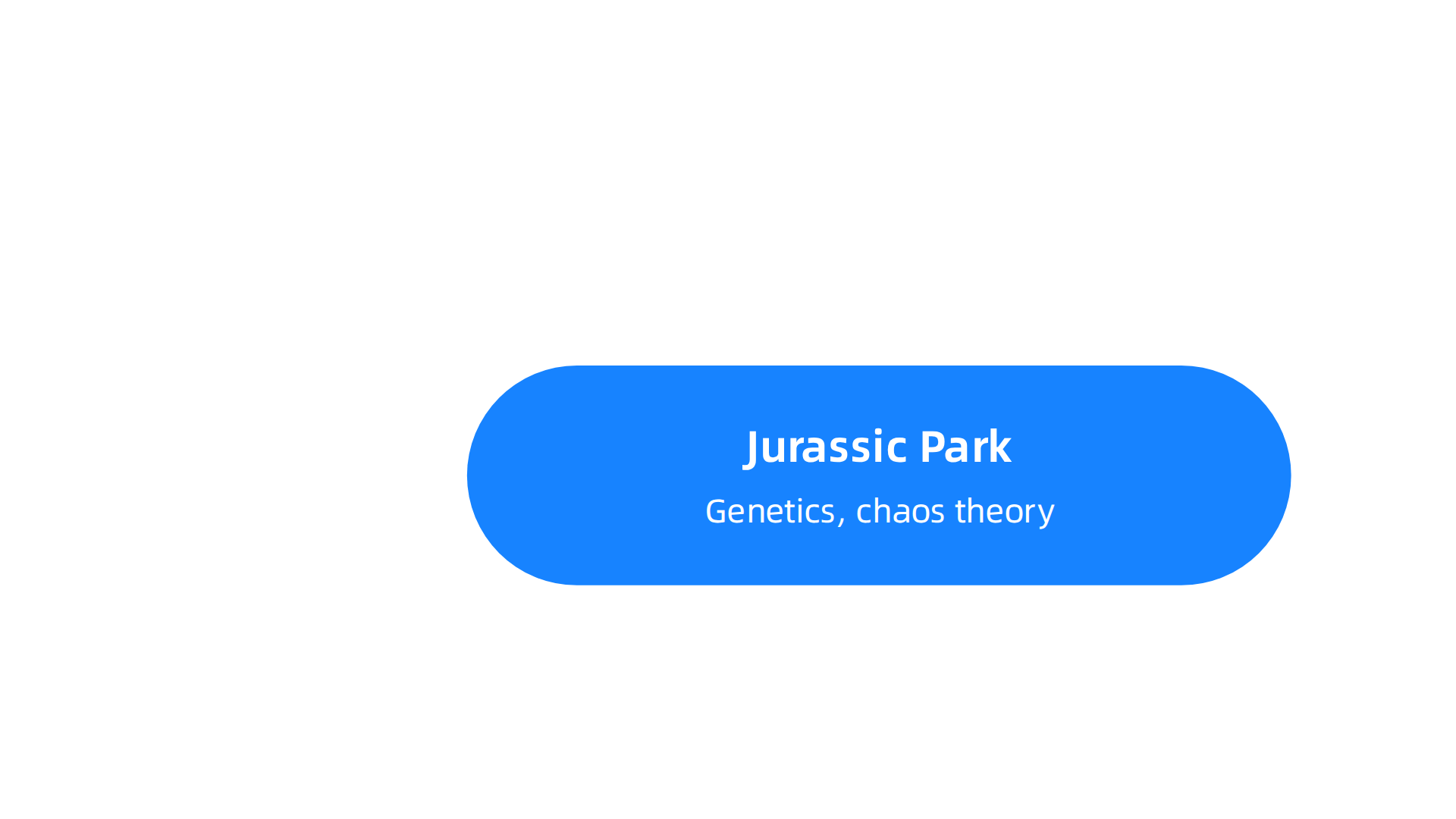
| Jurassic Park | 1990 | Genetics, chaos theory |
| The Andromeda Strain | 1969 | Medical thriller, space germ |
| Sphere | 1987 | Deep sea psychology |
Whichever path you choose, Crichton’s books reward you with smart, fast paced stories. If you need a break from all the tense science, try this ridiculous scifi comedy series for fantasy fans who like wit and weird worlds. It is a fun detour before you dive back into dinosaurs and DNA.
Critical Reception and Awards: How His Books Were Received
You might think a writer who sells over 200 million books would get universal praise. But Michael Crichton’s career was a mix of loud applause and sharp criticism. His books thrilled readers but often frustrated literary reviewers.
Awards and official recognition
Crichton did win some serious honors. He took home an Edgar Award for best crime novel and a Writers Guild of America award for his screenwriting. These prizes show that his peers respected his ability to craft tight, tense stories. His unique style of blending real science into fiction helped him stand out. According to a Writer’s Digest analysis of his novel Sphere, Crichton had a special talent for making complex science feel accessible and exciting. He wrote in a false-document style, mixing references to real scientific papers with fictional classified records, which gave his books a convincing, urgent feel.
Mixed reviews from critics
Even so, not everyone was impressed. Many critics praised how Crichton could explain tricky topics like genetics or chaos theory without dumbing them down. But they often pointed out that his characters felt flat or underdeveloped. They were more like placeholders for ideas than real people. One critic argued that his work had a toxic legacy, claiming Crichton used his fame to spread scientific skepticism in a way that could mislead readers. Others noted that by blurring the lines between fake documents and real data, Crichton’s books made scientific discourse seem like just another construction, easy to doubt.
What readers thought
Here is where things get interesting. Despite the mixed literary reviews, readers could not get enough. Nearly every book he wrote shot straight to the top of bestseller lists. You could walk into any airport bookstore in the 1990s and see his name everywhere. His books sold more than 200 million copies worldwide. That kind of success does not come from pleasing critics. It comes from telling stories people simply cannot put down.
If you are looking for more reading guides that cut through the noise, check out our ranking of Stephen King novels for fantasy readers. And if you need a lighter escape after all that heavy science, try The Ridiculous for comic sci-fi worlds that do not take themselves too seriously.
Legacy and Unfinished Works: Crichton’s Lasting Influence
Even after his passing in 2008, Michael Crichton’s world kept expanding.
His ideas refused to fade away. In fact, they only grew bigger.
Movies and TV shows that keep his stories alive
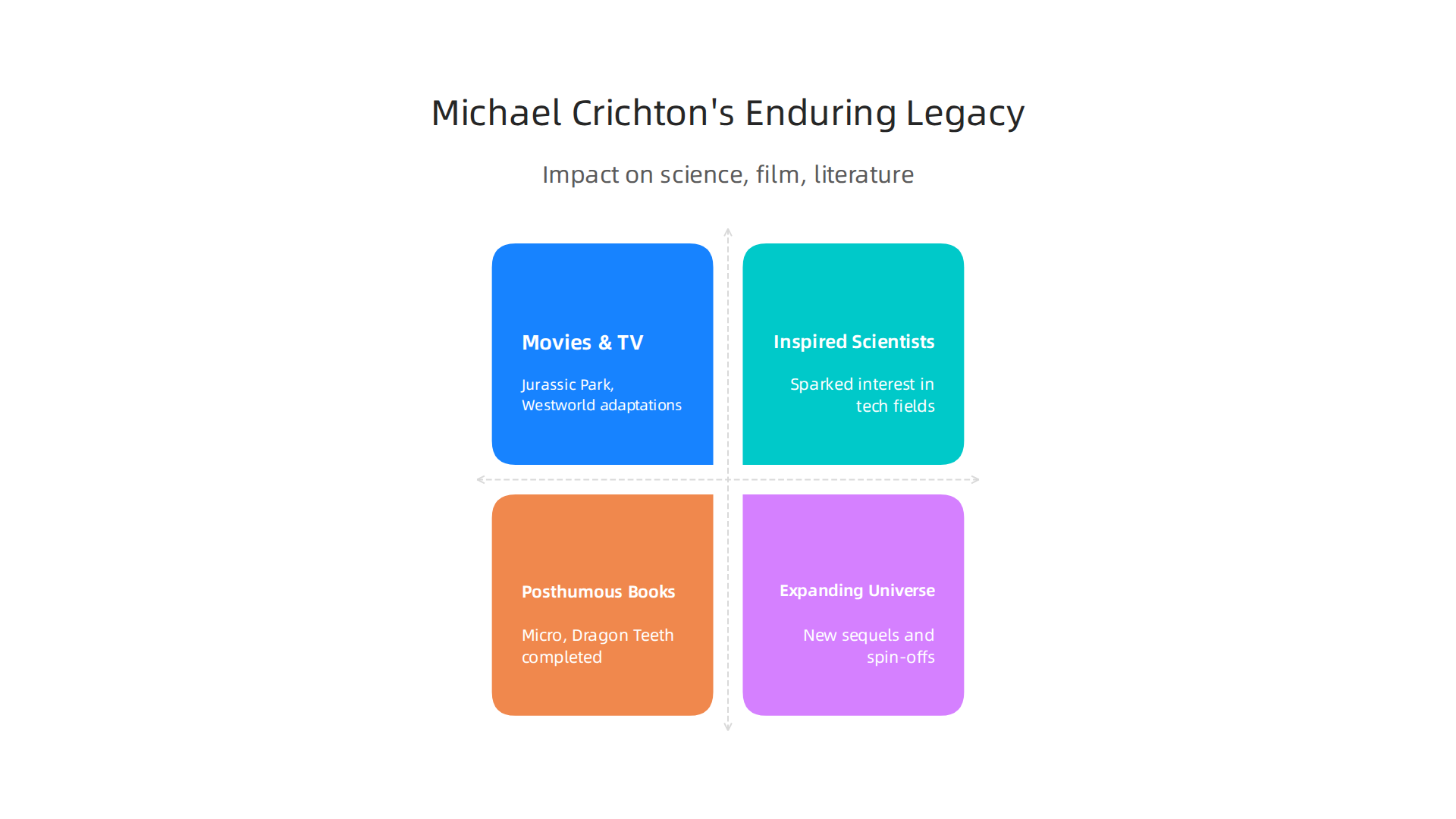
You have probably seen Jurassic Park or one of its sequels. That film alone earned over $1 billion at the box office, according to MovieWeb. But the adaptations did not stop there. The Westworld TV series became a massive hit on HBO, showing how Crichton’s themes of technology gone wrong still speak to us today. His books have been turned into more than a dozen films, from The Andromeda Strain to Rising Sun and Disclosure, according to Mental Floss. It is rare for any author to have this many successful adaptations. Crichton did it like it was nothing.
Inspiring a new generation of scientists
Here is something you might not expect. Crichton’s books actually inspired real scientists. Many people who work in genetics, robotics, or artificial intelligence today say they first got interested because of his novels. His stories made science feel exciting and urgent. They made you want to understand how things really worked. In 1995, he had the nation’s number one best-selling book and the number one movie at the same time, as No Film School points out. That is a level of pop culture dominance most writers only dream about.
Books finished after his death
Crichton left behind some unfinished manuscripts. His estate decided to complete two of them with help from other writers. Micro came out in 2011, and Dragon Teeth followed in 2017. These books let fans return to his world one more time. They also show how valuable his ideas were, even in rough draft form.
The legacy keeps growing
Crichton’s estate has authorized new sequels and spin-offs. The Jurassic Park universe keeps expanding through movies, games, and even new novels. It is clear that his stories have become part of our shared imagination. If you want to see how other authors have built lasting worlds, check out our list of the best fantasy fiction books of all time.
And if you are ready for a totally different kind of escape, one that trades heavy science for pure fun, try The Ridiculous for comic sci-fi worlds that do not take themselves too seriously. Crichton showed us the scary side of technology. Sometimes you need a laugh to balance that out.
Summary
This article is a practical guide to Michael Crichton’s books, explaining why his blend of real science and fast-paced storytelling captured millions of readers. It traces his background from Harvard medical training to early pseudonymous thrillers and the breakthrough of The Andromeda Strain, then shows how Crichton used scientific research and consultants to make fiction feel credible. The piece lists his major works in publication order, highlights essential standalones and the Jurassic Park series, and gives clear advice on how to choose a first read—by publication order, theme, or popularity. It also covers film adaptations, critical reception, awards, and the posthumous books finished after his death, so readers understand his cultural legacy and where to dive in next. Practical pointers help new readers pick titles, and the overview explains why Crichton’s warnings about technology remain relevant today.